Currently Empty: $0.00
Ebook News
Tim Ferriss: A Global Blueprint for Non-Fiction E-Book Success
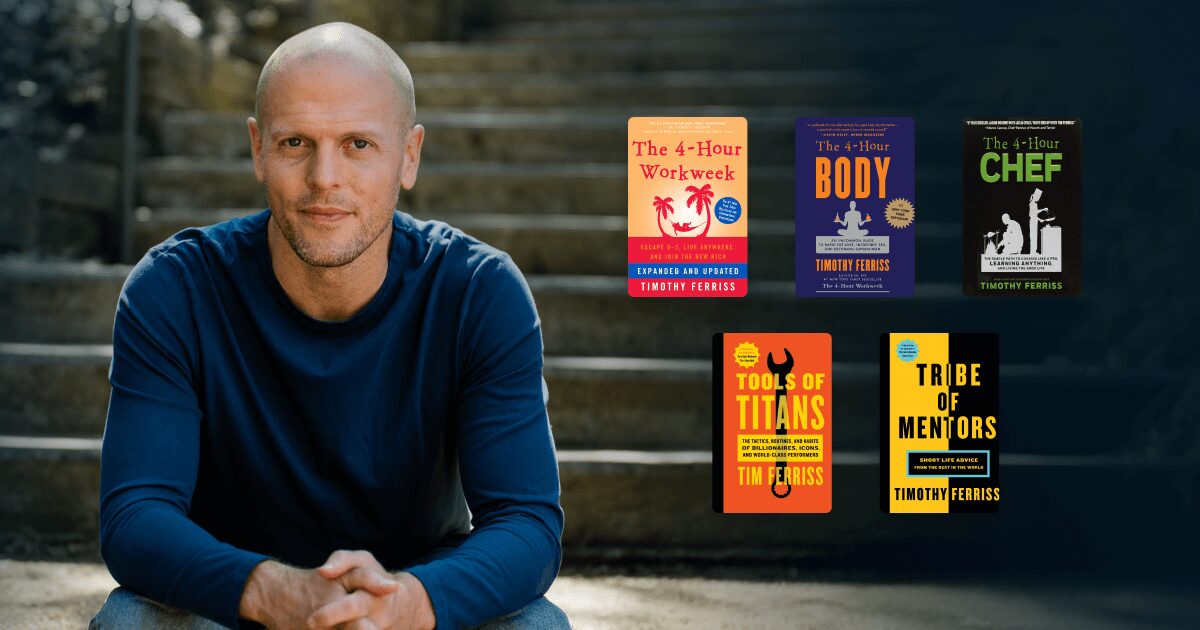
How One E-Book Became a Worldwide Content, Brand, and Business System
In the world of non-fiction publishing, few authors have leveraged e-books as strategically—or as globally—as Tim Ferriss.
While many writers treat e-books as a digital version of print books, Ferriss approached them differently: as scalable knowledge products, SEO-friendly content hubs, and global brand accelerators.
His success demonstrates that non-fiction e-books are not just books—they are distribution engines.
Tim Ferriss and The 4-Hour Workweek: The Starting Point
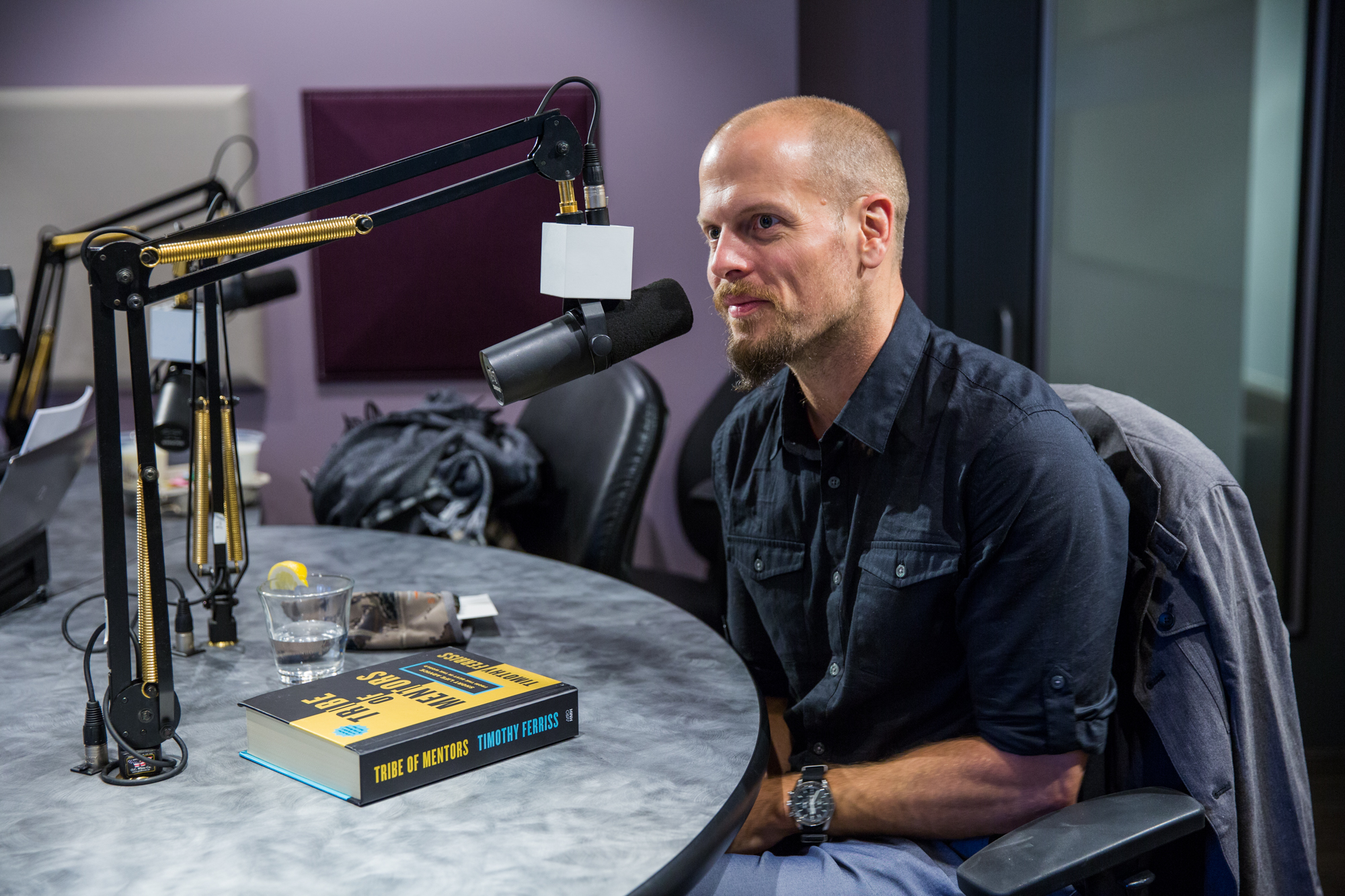
Published in 2007, The 4-Hour Workweek became a cultural phenomenon. But what truly made it enduring was not its launch—it was how Tim Ferriss continued to evolve the book within the digital ecosystem.
Key facts:
- Translated into 40+ languages
- Sold millions of copies worldwide
- Continues to generate sales and influence nearly two decades later
Ferriss understood early that non-fiction content ages differently than fiction—if structured correctly, it becomes more valuable over time.
Beyond a Book: Non-Fiction as a Global Knowledge Product
Tim Ferriss did not treat The 4-Hour Workweek as a one-time publication. Instead, he built a multi-layered system around it:
- E-book editions for global reach
- Audiobooks for mobile consumption
- Blog articles expanding individual concepts
- Podcasts deepening ideas through interviews
- Courses, tools, and brand partnerships
The e-book acted as the core intellectual asset, from which everything else radiated.
This is the defining difference between content creators and content architects.
Why Ferriss’s Model Works Especially Well for E-Books
1. Modular, Search-Friendly Structure
Ferriss writes in:
- Short chapters
- Clear frameworks
- Actionable checklists
This makes his content:
- Easy to translate
- Easy to excerpt
- Easy for search engines and AI systems to understand
Each chapter functions almost like a standalone article—perfect for long-term discoverability.
2. Evergreen Topics with Global Relevance
Ferriss avoids trends and focuses on:
- Productivity
- Learning efficiency
- Decision-making
- Lifestyle design
These topics:
- Apply across cultures
- Do not expire quickly
- Attract consistent global search demand
As a result, his e-books benefit from continuous organic traffic, not launch-week spikes.
3. E-Books as Entry Points, Not Revenue Peaks
For Ferriss, e-book revenue is important—but secondary.
The primary role of his e-books is to:
- Introduce his thinking to new audiences
- Build trust at scale
- Feed into higher-value offerings
In other words:
The e-book is the front door, not the finish line.

Globalization Through Digital Distribution
Traditional non-fiction publishing struggles with globalization due to:
- Printing logistics
- Regional distribution deals
- High translation costs
E-books remove these constraints.
Ferriss leveraged:
- Instant global delivery
- Localized pricing
- Language-specific editions
This allowed his ideas to spread faster than traditional publishing cycles ever could.
The Tim Ferriss Non-Fiction E-Book Template (Breakdown)
This model is highly transferable.
Step 1: Create Evergreen, Framework-Driven Content
Not opinions—systems.
Step 2: Structure Content for Reuse
Each chapter = reusable asset.
Step 3: Publish Digitally First
Global reach from day one.
Step 4: Build a Content Ecosystem
Blogs, podcasts, interviews, and courses extend the book’s life.
Step 5: Treat the E-Book as a Long-Term Brand Asset
Not a campaign, but infrastructure.
What This Means for Today’s Knowledge Creators
Tim Ferriss’s approach is particularly relevant for:
- Educators
- Consultants
- Coaches
- Entrepreneurs
- Professionals with repeatable knowledge
However, many creators fail to capitalize on this model due to:
- Platform lock-in
- Poor SEO visibility
- Fragmented content delivery
- Technical publishing complexity
As a result, valuable non-fiction content often disappears after launch.
eBooksForest: Enabling the Tim Ferriss Model at Scale
This is where eBooksForest becomes strategically important.
eBooksForest is designed for creators who want to:
- Publish non-fiction e-books quickly and professionally
- Use H5 web standards for full device and browser compatibility
- Structure content for SEO, AI indexing, and long-term discovery
- Update, expand, and refine content over time
- Turn expertise into a global, evergreen digital asset
Just as Tim Ferriss transformed a book into a worldwide platform,
eBooksForest helps creators transform knowledge into scalable digital infrastructure.
Why eBooksForest Is Natively Built for Tutorial-Based E-Books
Unlike traditional e-book platforms that only support static text or PDFs, eBooksForest is designed specifically for knowledge transfer and learning outcomes.
Creators on eBooksForest can publish far more than plain text. The platform supports:
- Rich multimedia content: structured combinations of text, images, videos, and audio
- Interactive learning elements: quizzes, assignments, and knowledge checks
- Built-in Q&A and discussion sections to reinforce understanding
- Modular chapter and lesson design, ideal for step-by-step tutorials
This makes eBooksForest naturally suited for instructional, educational, and non-fiction e-books, especially in areas such as:
- Business and entrepreneurship
- Productivity and personal development
- Technology, software, and AI tools
- Marketing, SEO, and online growth strategies
- Skill-based training and professional education
Instead of forcing tutorials into static formats, eBooksForest allows creators to design learning experiences, not just books.
From “Reading” to “Learning”: A Better Model for Non-Fiction Authors
Modern readers no longer want to simply consume information—they want to apply it.
With eBooksForest, authors can:
- Turn chapters into actionable lessons
- Reinforce concepts through targeted quizzes and assignments
- Use video and audio to explain complex ideas more clearly
- Encourage engagement through structured Q&A
This approach aligns perfectly with the Tim Ferriss non-fiction model:
framework-driven, modular, reusable, and globally scalable.
An e-book is no longer just a downloadable file.
It becomes a living knowledge product—one that can be updated, expanded, and monetized over time.
A Platform Designed for Long-Term Knowledge Assets
By combining multimedia publishing, interactive learning design, and SEO-friendly web standards, eBooksForest enables creators to:
- Publish tutorial-style e-books faster
- Deliver higher learning value to readers
- Increase engagement and completion rates
- Build evergreen educational assets that generate long-term passive income
For creators who want to go beyond static e-books and build global, instructional content systems, eBooksForest provides the missing infrastructure.
Conclusion: Non-Fiction E-Books as Global Operating Systems
Tim Ferriss did not succeed because he wrote a bestseller.
He succeeded because he designed a system around his ideas.
In the digital age:
- Non-fiction e-books are not endpoints
- They are operating systems for knowledge distribution
If you have expertise that can help people:
- Learn faster
- Work smarter
- Live better
Then the question is no longer whether to publish an e-book,
but how to publish it in a way that lasts.
Tim Ferriss showed the blueprint.
The tools now exist for anyone to follow it.
Author Profile

- Sean Lee - Founder of the eBooksForest platform, a 16-year veteran freelancer and digital nomad, and an expert in knowledge-based digital publishing.
Latest entries
 Digital PublishingJanuary 23, 2026Free eBook Publishing Sites: How to Publish and Distribute Your eBook at No Cost
- Ebook WritingJanuary 22, 2026Why We Still Need E-books in the AI Era: 6 Truths About Knowledge Assetization
- Ebook WritingJanuary 21, 2026《The Psychology of Money》Morgan Housel on Writing: Why Everyone Should Learn to Write Clearly
- Ebook CreationJanuary 20, 2026How to Create an eBook to Sell: A Complete Guide for Independent Authors