Currently Empty: $0.00
Creator Economy
Geographic Arbitrage: Why eBooks Are the Most Efficient Business Model for Cross-Border Income
Introduction: Understanding Geographic Arbitrage in the Digital Economy
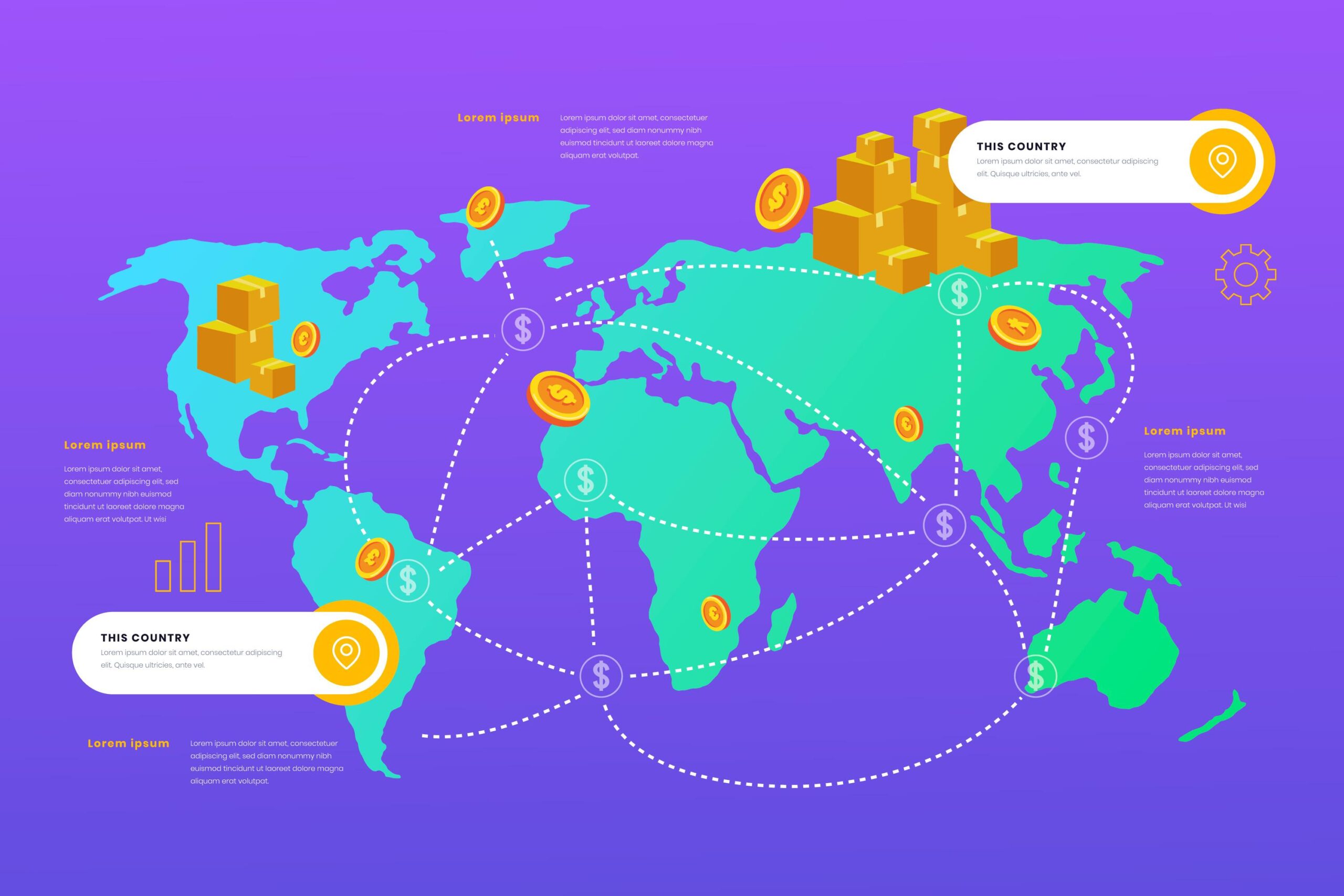
Geographic arbitrage (also known as spatial arbitrage) refers to leveraging differences in income levels, cost of living, pricing, exchange rates, and economic structures between regions to maximize real purchasing power and profitability.
At its core, geographic arbitrage follows a simple but powerful principle:
Earn income in high-value markets and spend or operate in low-cost regions.
This concept is not new. It explains why:
- Remote workers earn USD or EUR while living in Asia
- European retirees move to Thailand or Vietnam
- Manufacturers keep their sales markets unchanged while relocating production to lower-cost countries
What has changed is that the internet has made geographic arbitrage accessible to individuals, not just corporations.
What Geographic Arbitrage Really Means: Purchasing Power, Not Just Income
Many people believe geographic arbitrage is about “earning more money.”
In reality, it is about making money worth more.
Consider these examples:
- $3 USD
- In the U.S.: barely the price of a bottle of water
- In China: enough for a full lunch
- In Thailand or Vietnam: even higher purchasing power
- A book
- United States: $15–$25 is normal
- China: around RMB 30
This gap has nothing to do with personal capability.
It is purely a structural difference in regional pricing and cost systems.
Geographic arbitrage monetizes space, not labor.
The Fundamental Rule of Geographic Arbitrage
There is one non-negotiable rule:
If you earn and spend in the same high-cost country, geographic arbitrage does not exist.
To benefit from geographic arbitrage:
- Income must come from high-value markets
- Living or operating costs must remain in low-cost regions
Before the internet, this was nearly impossible.
Work was location-bound, transactions were physical, and cross-border costs were high.
Today, digital products remove all technical barriers.
Why eBooks Are the Ideal Geographic Arbitrage Business Model
Among all online business models, eBooks are uniquely suited for geographic arbitrage.

1. eBooks Have Near-Zero Marginal Cost
An eBook requires:
- No raw materials
- No factory
- No inventory
- No international shipping
- No logistics management
Once created, the cost of selling one more copy is effectively zero.
This means:
Every additional sale is almost pure profit.
2. eBooks Are Perfectly Priced for High-Income Markets
In the U.S. and Europe:
- $3 feels insignificant
- $9.99 feels like a cup of coffee
- $19 feels like a normal book purchase
But when that same revenue is converted into RMB or Southeast Asian currencies:
- $3 = a full meal
- $9.99 = half a day of living expenses
- $19 = a full day’s cost of living for many people
This is geographic arbitrage in its purest form.
3. eBooks Fully Decouple Income Location from Living Location
eBooks offer:
- 24/7 automated sales
- Global reach
- No dependency on time or place
- Scalable, location-independent income
You can:
- Live in China, Thailand, or Vietnam
- Sell English eBooks to global audiences
- Earn in USD or EUR
- Spend in low-cost local economies
This is why eBooks are one of the most stable and sustainable digital assets for geographic arbitrage.
Why eBooks Are More Practical Than SaaS or Physical Products
Many people associate global income with:
- SaaS development
- Mobile apps
- Cross-border eCommerce
However, these models often require:
- Advanced technical skills
- Long development cycles
- Teams and capital
- High operational risk
eBooks, by contrast:
- Are based on knowledge and experience
- Do not require coding skills
- Can be created by individuals
- Can be accelerated with AI writing tools
For most people, eBooks are the lowest-risk, highest-leverage entry point into geographic arbitrage.
ebooksforest: A Platform Built for Geographic Arbitrage
The real challenge is not whether eBooks work, but where to publish them.
ebooksforest is designed specifically to support geographic arbitrage through digital publishing.
Key Advantages of ebooksforest
- No App Required
Browser-based reading across all devices - Search Engine & AI Friendly
Content can be indexed by Google and AI models, generating long-term organic traffic - Global Accessibility
Ideal for USD and EUR pricing, targeting high-purchasing-power markets - Low Barrier to Publishing
Focus on content, not technology - Create Once, Earn Repeatedly
Build long-term digital assets instead of chasing short-term traffic

ebooksforest transforms eBooks into scalable, cross-border income engines.
Conclusion: Geographic Arbitrage Is a Long-Term Strategy, Not a Shortcut
Geographic arbitrage is not speculation.
It is not luck.
It is not a get-rich-quick scheme.
It is a structural advantage created by the global internet economy.
Among all possible tools, eBooks stand out as the most realistic, sustainable, and accessible way for individuals to benefit from geographic arbitrage.
If you are looking for:
- Location-independent income
- Low risk and low overhead
- Long-term compounding digital assets
Publishing eBooks through ebooksforest is one of the most effective ways to turn geographic arbitrage from theory into reality.
Earn in high-value markets.
Live where your money goes further.
That is geographic arbitrage—practiced, not imagined.
Author Profile

- Sean Lee - Founder of the eBooksForest platform, a 16-year veteran freelancer and digital nomad, and an expert in knowledge-based digital publishing.
Latest entries
 Digital PublishingJanuary 23, 2026Free eBook Publishing Sites: How to Publish and Distribute Your eBook at No Cost
- Ebook WritingJanuary 22, 2026Why We Still Need E-books in the AI Era: 6 Truths About Knowledge Assetization
- Ebook WritingJanuary 21, 2026《The Psychology of Money》Morgan Housel on Writing: Why Everyone Should Learn to Write Clearly
- Ebook CreationJanuary 20, 2026How to Create an eBook to Sell: A Complete Guide for Independent Authors